Decorating on a Budget: Smart Home Design Ideas for Your New Custom Home
Decorating a new home on a budget doesn’t mean settling for less. It means making smarter decisions, starting earlier than most people think. This guide covers room-by-room budget decorating ideas for every space in your home, plus one advantage that no general decorating blog can offer: what to do before move-in day to save money for years to come.
If you’re building a custom home, your decorating strategy starts at the design phase, not the furniture store. The families who feel most settled, fastest, are the ones who made intentional design decisions before the walls went up. More than 20,000 families across Ohio, Pennsylvania, Michigan, and West Virginia have built with us since 1973, and the pattern holds every time.
Building smart and decorating intentionally are two sides of the same philosophy, and both are within reach.
In this guide, we walk through why new construction changes the decorating equation, the slow decorating framework that saves the most money, room-by-room ideas for every space, and how the decisions you make during your build reduce your decorating costs long after move-in.
Why Decorating a New Build Is Different
If you’ve ever bought an existing home, you know the feeling of inheriting someone else’s choices. A new custom build is fundamentally different, and that difference is worth understanding before you spend a single dollar on decor.
When you build custom, you choose your flooring, cabinet styles, wall colors, and hardware before construction begins. Your decor strategy shifts from covering up flaws to selecting pieces that complement a space already designed around your life.
Because your finishes are cohesive from the start, you need less decor to make a room feel complete. A well-chosen floor plan with the right window placement, storage, and layout does more decorating work than any accent wall ever could.
Most decorating guides are written for buyers of existing homes, working around someone else’s tile, cabinet hardware, and room layout. When you build custom, those constraints don’t exist. You choose them, which means every decor decision you make after move-in works with your home rather than against it.
Upgrading cabinet hardware before drywall costs a fraction of what it costs to replace it after move-in. Choosing the right window placement during the build eliminates the need for expensive lighting solutions later. Selecting your wall colors during the design phase is permanent, intentional, and costs nothing extra compared to repainting after move-in. With transparent pricing and no surprises at any stage, you always know exactly what you’re spending and where.
Our step-by-step building process includes a guided design selection stage so you never make these decisions alone. See how designing your kitchen with our virtual tools works before your design appointment so you can arrive with a clear vision.
What Is the Smart Style Series?
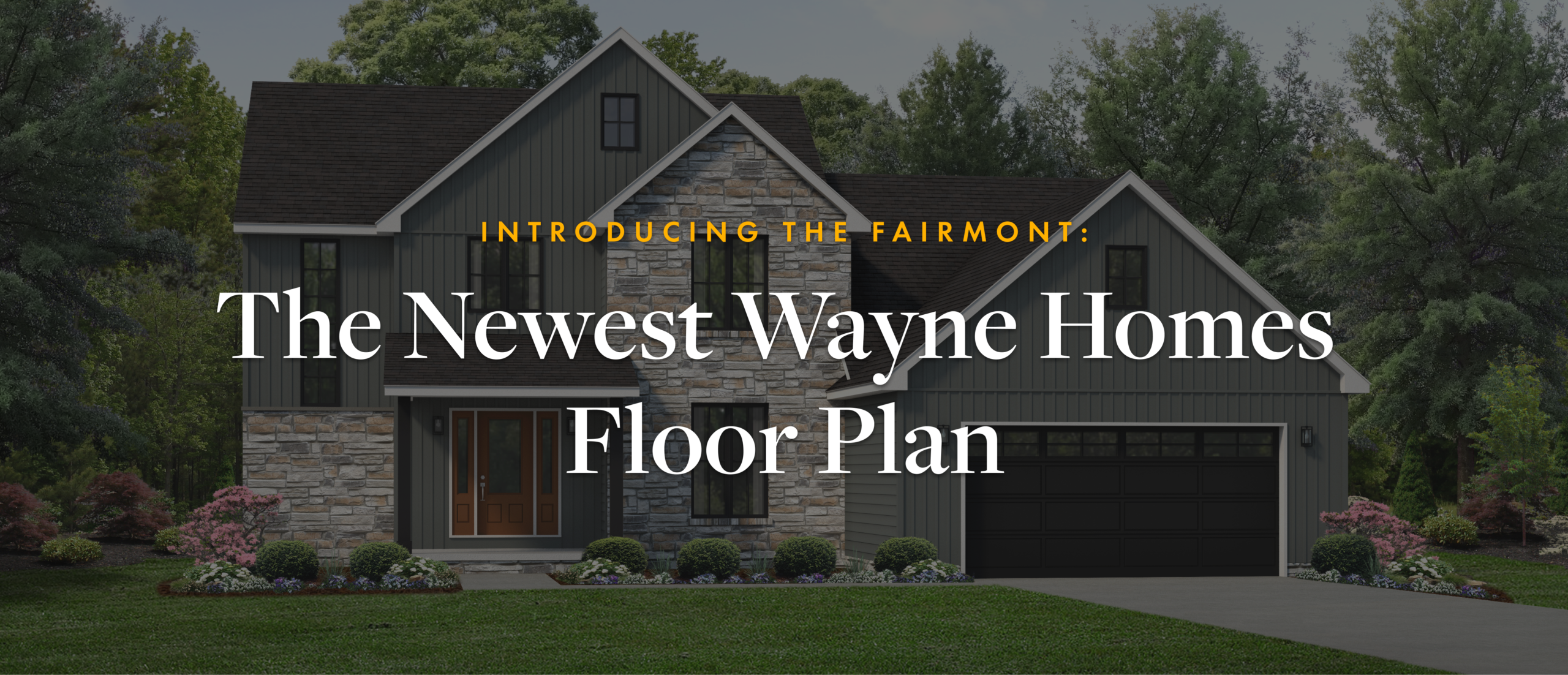
The Smart Style series is a collection of floor plans designed specifically for buyers who want a fully personalized custom home without overextending their budget.
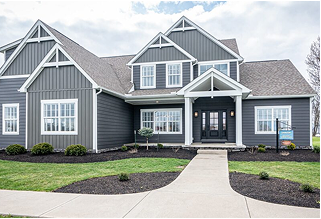
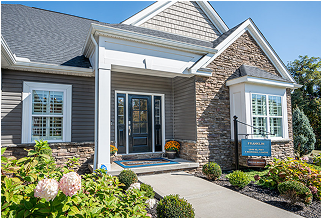
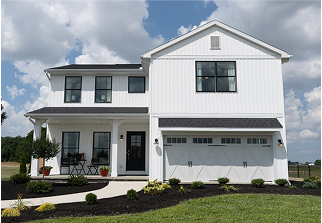
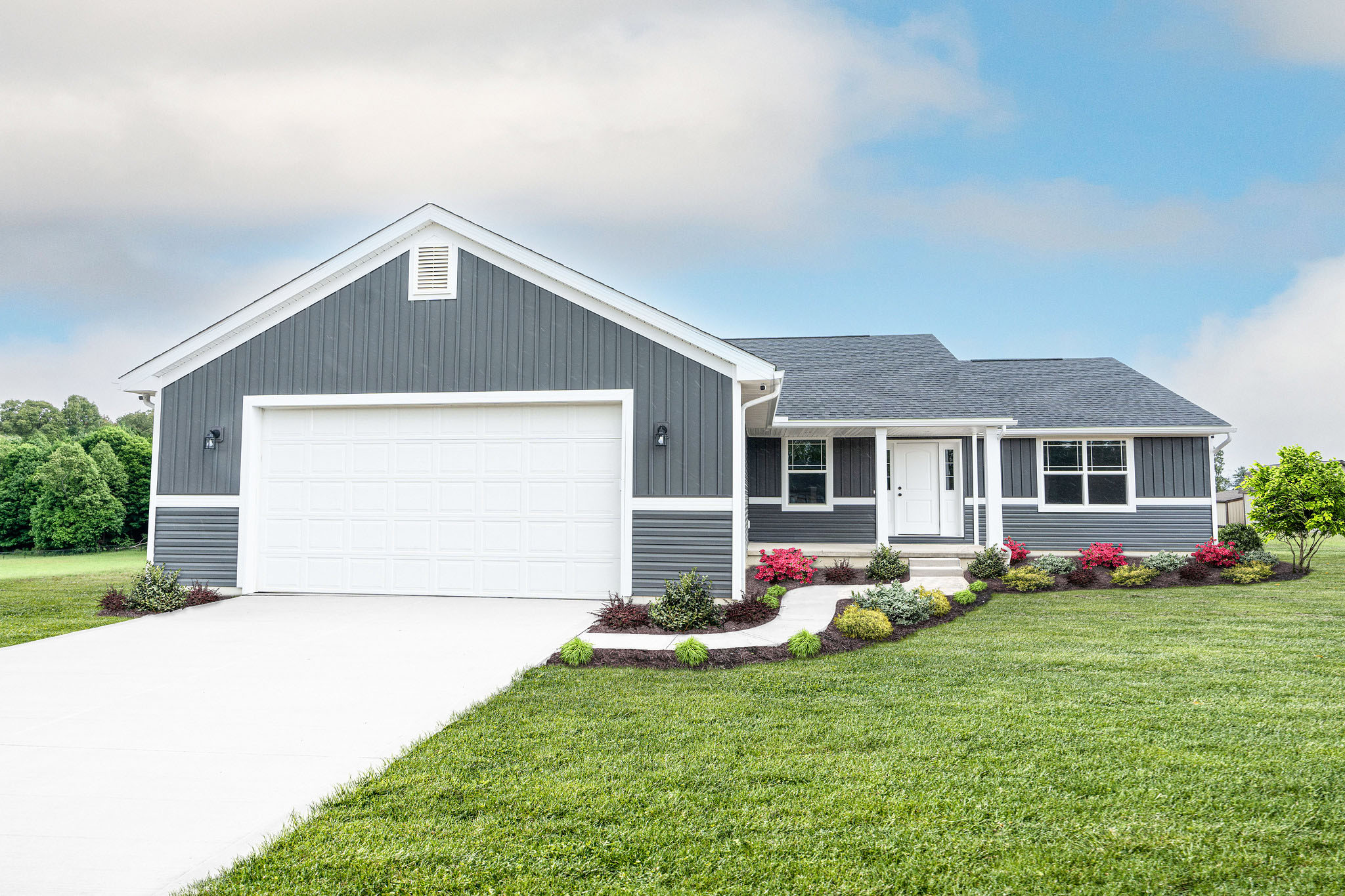
Smart Style homes feature clean lines, a two-tone color scheme for visual interest, larger windows with wider trim for natural light, and thoughtfully proportioned layouts that are flexible across room configurations. Every plan offers the same customization options available across all Wayne Homes floor plans, with design details that add character without adding cost.
Because Smart Style homes are designed with intentional proportions, they are also easier and less expensive to decorate after move-in. Smaller square footage means fewer anchor pieces to buy. Flexible layouts mean rooms serve multiple purposes without extra furniture. The savings start at the design stage and carry through to every decorating decision you make afterward.
Read our full introduction to Smart Style exteriors to see exactly what makes this collection different from standard floor plans, then use our interactive floor plan tools to visualize your space before a single nail goes in. You can also download the free Smart Style Collection Guide to compare every plan in one place.
The Slow Decorating Strategy: The Smartest Budget Framework
The single most effective budget decorating strategy is also the simplest: don’t buy everything at once. Slow decorating is the practice of curating your home gradually and intentionally, based on how you actually use each room, rather than furnishing everything under pressure before or after move-in.
For new construction buyers, this approach is especially powerful. You move into a home with cohesive finishes already in place. Every room has a design foundation. You don’t need to fill it immediately. Taking time to live in each space before making major purchases prevents the costly mistakes that come from buying under pressure.
Visualization before spending is one of the most effective money-saving strategies in home decorating. As a custom home buyer, you have a built-in advantage that most people never get: the ability to see your space and plan your layout before construction begins. Our guide on how to use our free floor plan design tools walks you through the process from your very first session.
Four Principles for Slow Decorating
- Live in the room first. Spend 30 days in each room before buying furniture. See how the light changes throughout the day and how you actually move through the space.
- Find one anchor piece per room. Every room needs one central piece to organize around: a sofa, a bed, a dining table. Buy that first and build outward slowly.
- Set a monthly decor budget. A small, consistent monthly amount spread over time is far less stressful and far more effective than one large post-move-in spending sprint.
- Buy with intention. A unique piece from a local Ohio estate sale or Pennsylvania antique market often has more character and better quality than mass-produced items at a fraction of the price.
This method creates a home that looks personal and curated rather than a space that looks like a showroom floor. And when your finishes are already cohesive from the build, every intentional piece you add works with the home rather than against it.
Room-by-Room Budget Decorating Ideas
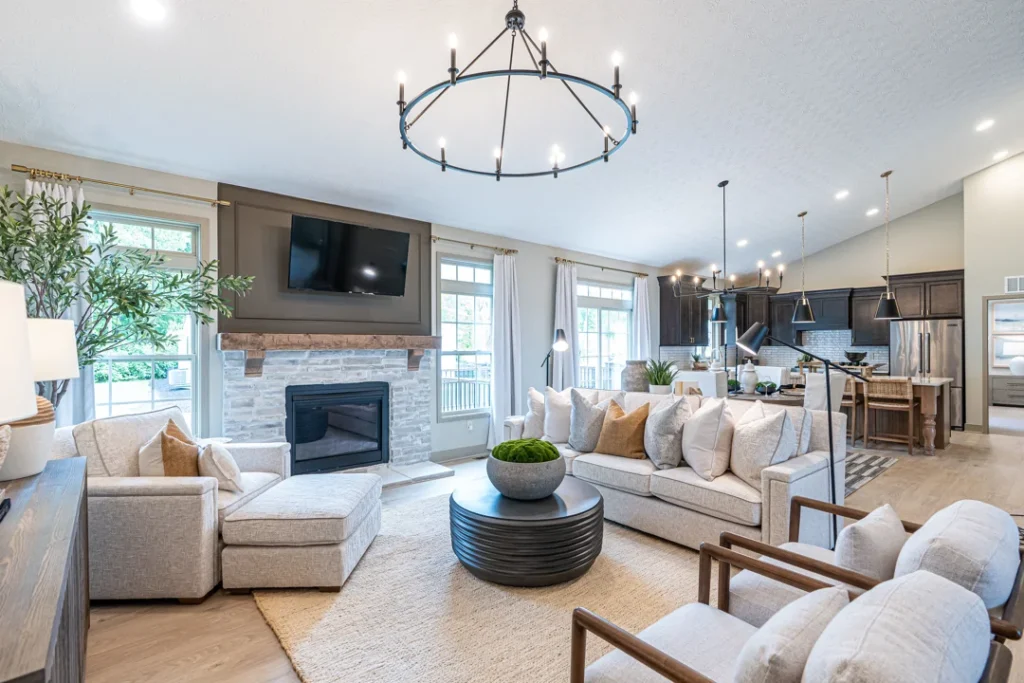
Prioritize the rooms where you spend the most time first. In Smart Style open floor plans, the living and dining areas are often one connected visual space. Getting those right first gives you the best return on your decorating budget and creates an immediate sense of home.
Living Room: Start With Your Finishes and One Anchor Piece
Start with one high-quality anchor piece, a sofa or area rug, and let your existing flooring and wall colors guide every other decision. Smart Style floor plans use large windows and natural focal points that reduce the amount of furniture you actually need. Less furniture, thoughtfully chosen, always looks better than a room stuffed to fill space.
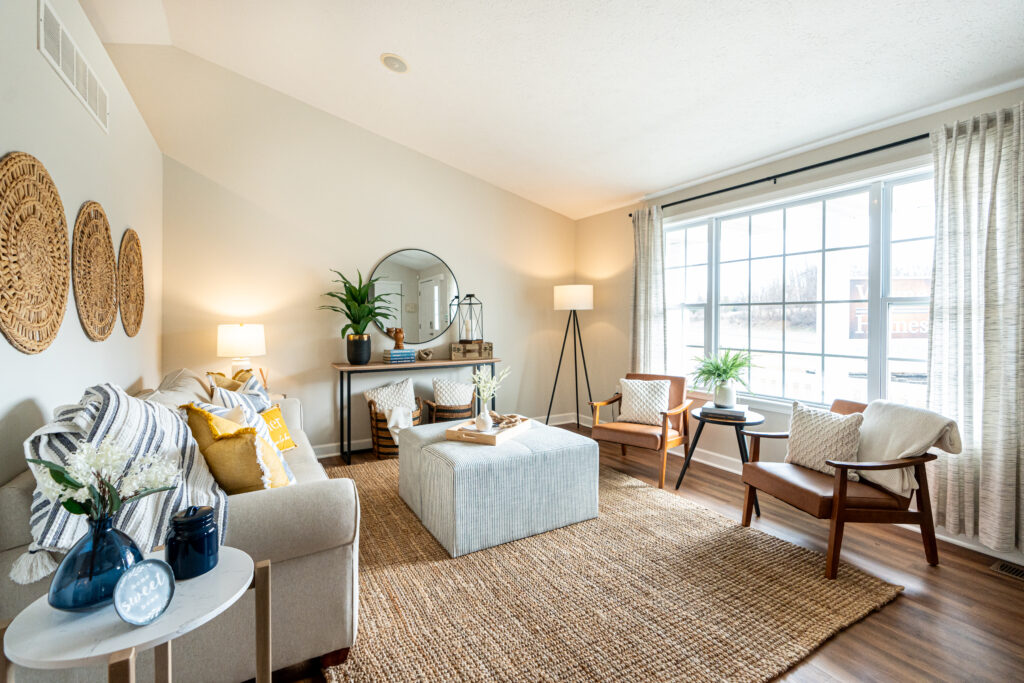
Low-cost living room updates that make a big impact:
- Create a gallery wall using personal photos and frames from local thrift stores in Ohio, Pennsylvania, Michigan, or West Virginia.
- Install DIY floating shelves to add depth and display space without taking up floor space.
- Layer textiles by swapping throw pillows and blankets seasonally. One quality base and interchangeable accents stretch your budget further.
- Add plants like pothos or ferns. Greenery adds texture and life at minimal cost.
For more inspiration on how a real Wayne Homes family styled their open floor plan over time, read our designer’s guide to furnishing your home.
Kitchen: Let Your Hardware Finishes Lead the Way
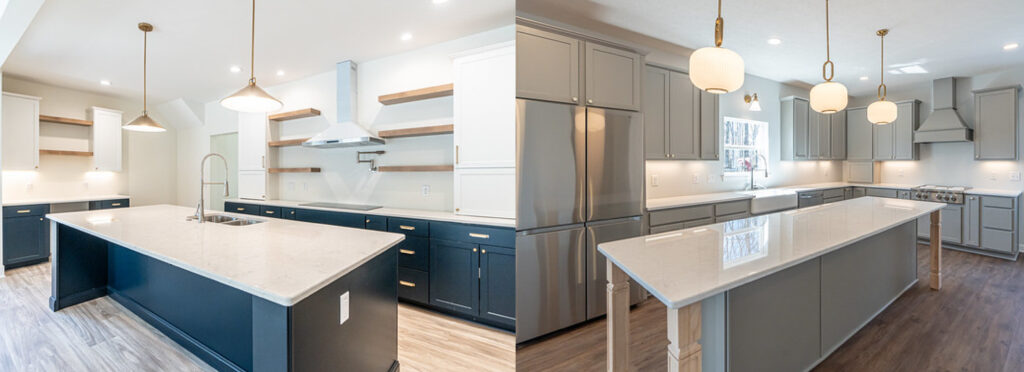
The most effective kitchen decorating strategy mirrors the hardware finishes you chose during the build. Whether you selected matte black or brushed nickel, let those metals guide your accessory choices. Since the kitchen is already functional, your decor should add personality without cluttering your workspace.
Affordable kitchen and dining updates:
- Style open shelves with a mix of cookbooks, simple ceramic pieces, and one or two plants.
- Swap a basic light fixture over the dining table for a statement pendant. Lighting changes a room more than almost any other single update.
- Use seasonal centerpieces like fresh herbs, fruit bowls, or simple linen table runners.
- Source dining chairs from local estate sales and Facebook Marketplace groups in your area for a fraction of retail prices.
Bedroom: Invest in Bedding First, Layer Everything Else
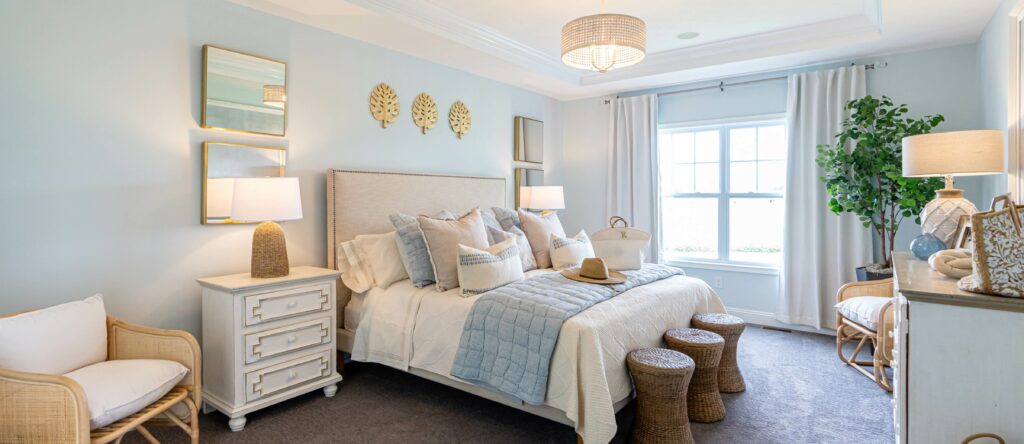
The most budget-conscious way to decorate a bedroom in a new build is to invest in one set of quality bedding first and add every other layer gradually, letting the natural light your floor plan already provides do most of the work.
Affordable bedroom updates:
- Use framed fabric panels as a DIY headboard alternative. The effect is dramatic and the cost is minimal.
- Install floating nightstand shelves to save floor space and money.
- Paint a single accent wall in a warm tone to shift the room’s feel without repainting the entire space.
- Shop end-of-season bedding sales for the deepest discounts on quality sets.
Bathroom: Personalize the Details, the Foundation Is Already There
In a new build, decorating a bathroom on a budget means adding personality on top of a foundation that is already cohesive, because your tile, fixtures, and hardware were chosen together during the design phase.
Your decor layer is about adding character, not compensating for mismatched finishes. That’s a significant advantage over buyers of existing homes who often spend their bathroom budget correcting problems rather than personalizing.
High-impact, low-cost bathroom updates:
- Replace a standard mirror with a framed or arched mirror. This single swap changes the entire feel of the space.
- Add a wood or woven bath mat and matching towels in a consistent color palette. Soft goods are the fastest way to make a bathroom feel designed.
- Install a simple floating shelf above the toilet for display and storage. In smaller bathrooms this replaces a bulky cabinet at a fraction of the cost.
- Use matching dispensers for soap and lotion to unify the countertop. Cohesive accessories cost very little and make a significant visual difference.
- Add a small plant. Snake plants and pothos thrive in low-light, high-humidity environments and require almost no maintenance.
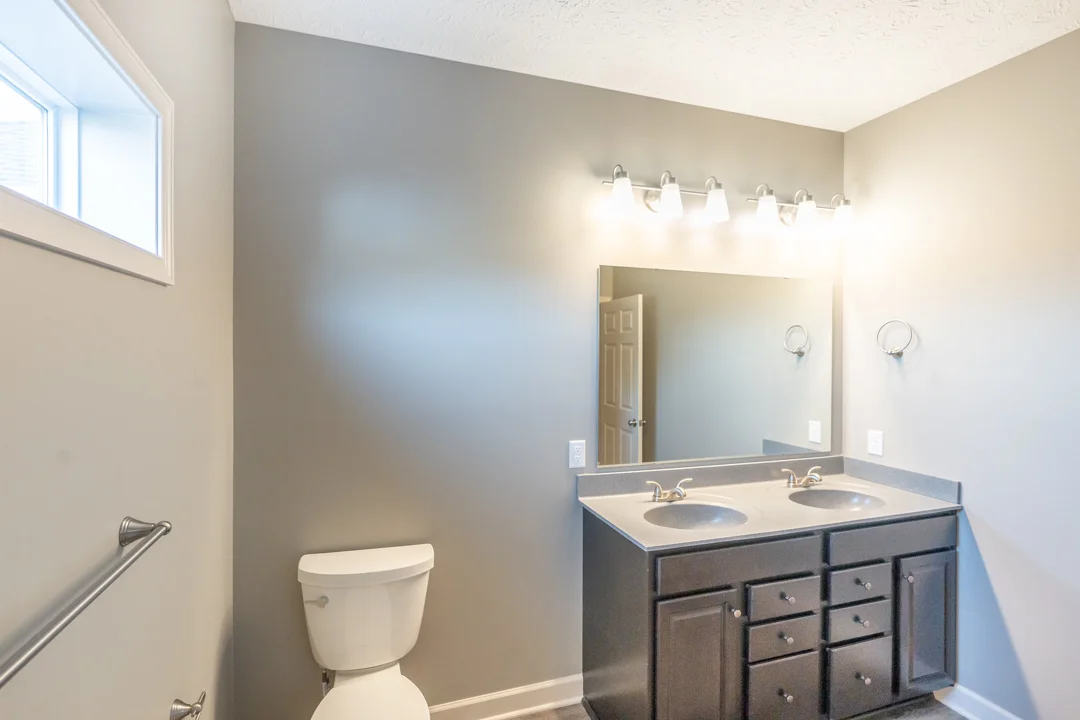
For buyers still in the design phase, choosing a slightly elevated tile or fixture during the build costs far less than replacing it after move-in. This is one of the most valuable budget decisions a new construction buyer can make. See what comes standard in every Wayne Home so you know exactly where your upgrade decisions have the most impact.
Patio: Turn Your Covered Porch Into a Real Outdoor Room
The most effective way to decorate a patio or covered porch on a budget is to treat it like an indoor room, starting with one defining piece that anchors the space and adding layers gradually over time.
Affordable patio and outdoor updates:
- Start with an outdoor rug. It defines the space, adds color, and is one of the most impactful affordable outdoor purchases you can make.
- Add two to four weather-resistant chairs around a simple fire pit or table. You don’t need a full outdoor furniture set to create a usable space.
- String lights or solar lanterns add warmth and ambiance at very low cost.
- Use large planters with seasonal flowers or herbs to add color and life without a permanent landscaping investment.
- A simple outdoor curtain panel on a covered porch adds privacy and a finished look at a very low cost.
The goal is to make the outdoor space feel intentional and usable, not to furnish it completely at once. Slow decorating applies outdoors too.

Integrating Smart Home Technology Without Cluttering Your Decor
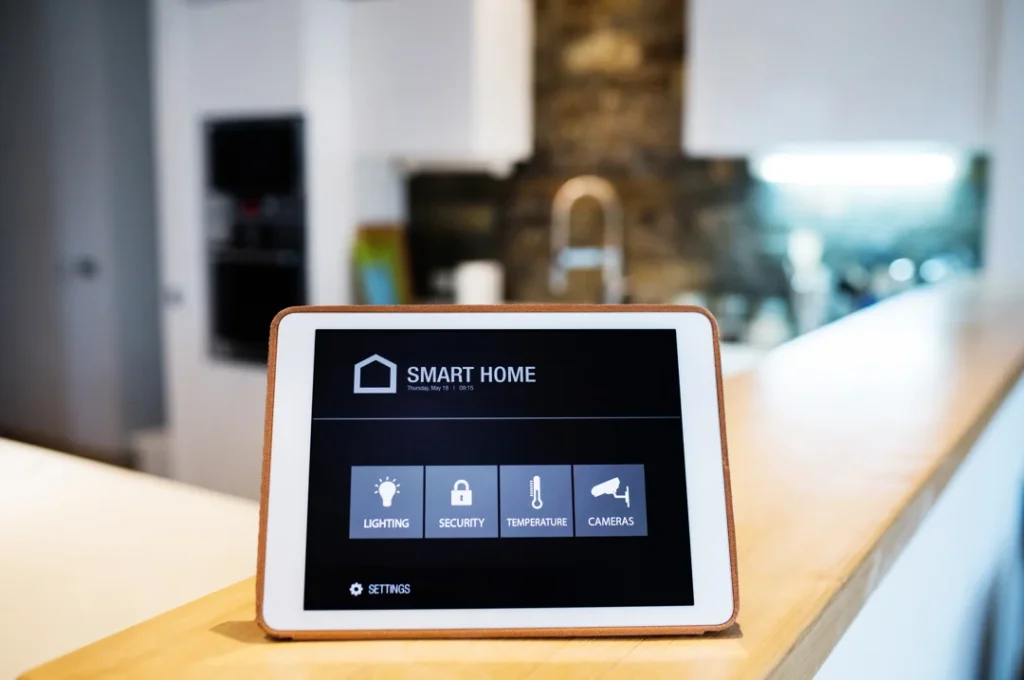
Smart lighting is one of the most affordable decorating tools available in any room. Smart bulbs are simple to install in any fixture, no rewiring required, and setting them to a warm white tone in the evening creates an atmosphere no furniture purchase can replicate.
How Building Custom Reduces Your Future Decorating Costs
Custom home design on a budget isn’t about spending less on your home. It’s about spending smarter, earlier, so every dollar goes further after move-in.
Every general decorating guide focuses on post-purchase fixes. Peel-and-stick tile. Thrift store furniture. Accent walls. These are good strategies for buyers working around a home they inherited. Custom home buyers have a different and more powerful option.
When you customize your home during the design phase, you build style directly into the house. Choosing cohesive hardware finishes across the kitchen and bathrooms eliminates the need to replace mismatched fixtures later. Selecting the right cabinet configuration during the build means you never need to buy expensive standalone storage furniture to compensate for a layout that doesn’t work. Positioning windows for natural light during construction means you need fewer lamps, fewer lighting fixtures, and fewer window treatments to make your rooms feel bright and warm.
This philosophy goes back to 1973, when Wayne Homes was founded by Bill Cessna and Dave Showers on a simple belief: everyday families in places like Wayne County, Ohio deserved custom homes on their own land without the typical hassles or luxury-only price tags. More than 50 years later, that belief still drives every floor plan and every design appointment. From land to move-in, every step is built around your vision and your budget, with no surprises along the way.
Our online design tools and True Design interiors tool are where these decisions come together. From finish selections and hardware choices to built-in storage configurations, every decision made there is a future decorating cost avoided.
Read our post on keeping your custom home within budget to see how we approach affordable upgrades and finish selections.
“They jumped through so many hoops to make sure my custom home was the home of my dreams!”
— Javia W., Wayne Homes homeowner
Your Weekend Decorating Action Plan
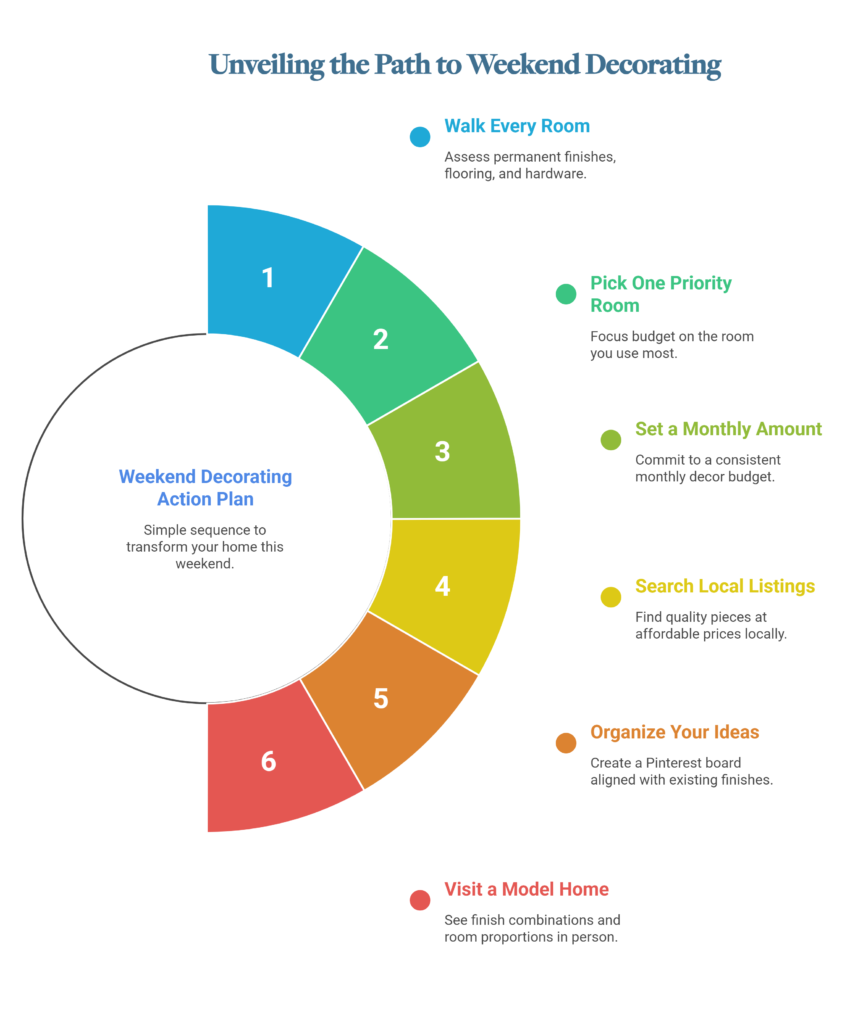
Ready to get started? Here’s a simple sequence to move from idea to action this weekend.
- Walk every room. Note your permanent finishes, flooring, cabinet colors, and hardware. These are your design foundation.
- Pick one priority room. Choose the room where you spend the most time and focus your first decorating budget there.
- Set a monthly amount. Decide on a realistic monthly decor budget and commit to it. Consistency beats one-time spending sprints every time.
- Search local listings. Join Facebook Marketplace groups in Ohio, Pennsylvania, Michigan, or West Virginia. Estate sales and local listings regularly offer quality pieces at a fraction of retail.
- Organize your ideas. Create a Pinterest board filtered by your existing finishes. Everything you save should work with what you already have.
- Visit a model home. Seeing finish combinations and room proportions in person before making any decisions makes a real difference. Find a model home center near you.
Start With the Home That Makes Decorating Easier
The best budget decorating starts before move-in day. When your floor plan fits your life, your finishes are cohesive, and your layout works the way you actually live, every decorating decision after move-in is simpler and less expensive.
Wayne Homes has been helping families build that kind of home for more than 50 years. Our Smart Style series gives budget-conscious buyers a fully customizable starting point, and our guided design process means you never make these decisions alone.
Whether you’re still exploring floor plans or ready to talk through your specific vision, we’re here. Schedule a free homesite evaluation with our team. No cost, no pressure, just a conversation about building a home that reflects your style from the ground up.
About Wayne Homes
Wayne Homes is a custom homebuilder in Ohio, Pennsylvania, Michigan, and West Virginia (see all Model Home Centers). We offer more than 50 fully customizable floorplans and a team dedicated to providing the best experience in the home building industry. For more information, Ask Julie by Live Chat or call us at (866) 253-6807.
Disclaimer: The details of this blog are accurate as of the publish date, but are subject to change.